7 Mistakes You’re Making with Tactical Fitness Gear (And How to Fix Your Kit)
Peter ReesIn the world of the Sovereign, your gear is an extension of your intent. It’s the bridge between a disciplined mind and a lethal physical reality. But most guys: even the ones who spent time downrange: get complacent. They start treating tactical fitness like a fashion show or, worse, a clearance rack hunt.
When you’re red-lining your heart rate during a kit-weighted Murph or humping a 60-pound ruck through the high desert, your gear shouldn't be your enemy. It should be invisible. If you’re constantly adjusting straps, fighting hotspots, or struggling to reach a pouch, your gear has failed. Or rather, you’ve failed your gear.
This is the 'Sovereign Series.' We don't do fluff, and we don't do "good enough." We embrace the suck, but we don't invite unnecessary friction. Here are the seven deadly sins of tactical fitness gear and how to fix your kit before the mission starts.
1. Carrying Too Much "Just in Case" Junk
The "preparedness" trap is real. Most guys pack their kit like they’re heading into a thirty-day siege when they’re actually just doing a ninety-minute high-intensity session. This is the fastest way to kill your mobility and destroy your joints.
The Mistake: You’ve got three knives, four tourniquets (only one of which is staged correctly), a massive power bank, and enough survival gear to start a colony. This "just in case" mentality creates a heavy, noisy, and inefficient loadout.
The Fix: Adopt the Sovereign's layered approach.
- Tier 1: Essentials only. Magazines, primary IFAK, and hydration.
- Tier 2: Support gear.
- Tier 3: Sustainment.
If you aren't using it in the next 120 minutes of high-intensity movement, it shouldn't be on your chest or your waist. Strip the kit down until it feels like a second skin. Your speed is your primary survival metric.
2. Neglecting the Base Layer (The Performance Gap)
You can have the most expensive plate carrier in the world, but if the shirt underneath it is a cheap, sweat-soaked cotton rag, you’re going to suffer. Cotton is the enemy of the tactical athlete. It holds moisture, creates friction, and leads to the kind of chafing that can take a grown man out of the fight.
The Mistake: Wearing "gym clothes" that aren't designed for the weight and abrasion of tactical gear.
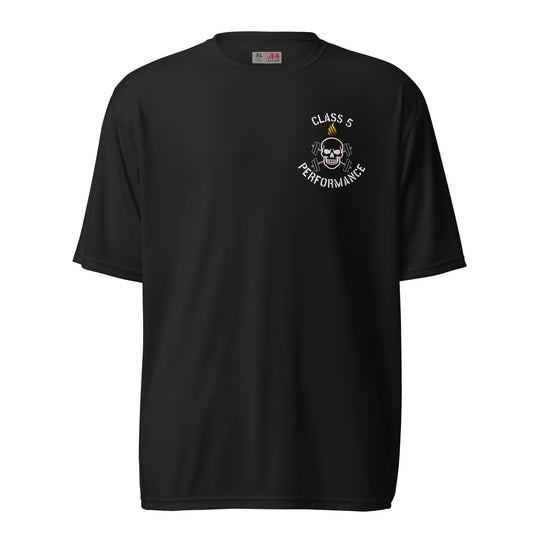
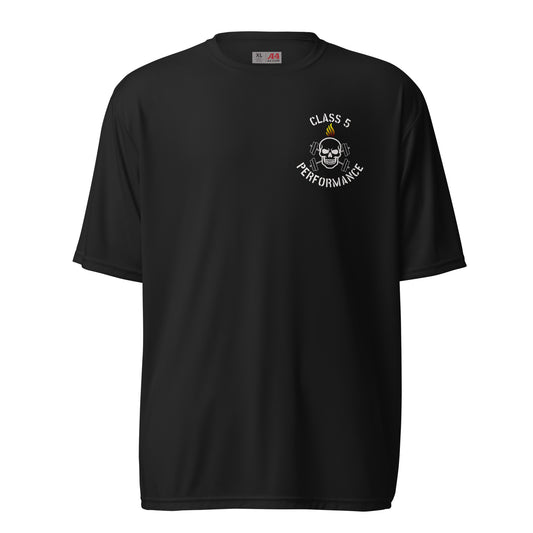
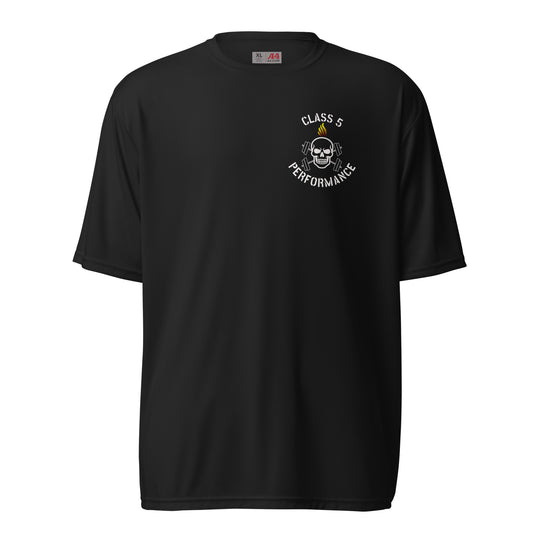
The Fix: Invest in performance activewear for veterans. You need material that breathes, wicks, and: crucially: withstands the "grind" of shoulder straps and waist belts. This is where Class 5 Performance sets the standard. Their gear is built for the high-stakes fitness that defines our community.
Whether you’re rocking one of their Crossfit shirts for men or their veteran-owned apparel, you're getting a fabric that doesn't quit when you do. A Sovereign doesn't compromise on the layer closest to their skin.

3. Poor Pouch Placement and "Toolbox" Noise
If you sound like a toolbox falling down a flight of stairs every time you take a step, you’ve failed. If you have to look down to find your medical kit or your spare mag, you’ve failed.
The Mistake: Placing gear where it "fits" rather than where it functions. Placing your IFAK on your back might look clean, but if you take a round and can’t reach your own blowout kit because your shoulders are pinned, you’re done.
The Fix: Consistent Loadout Logic. Standardize your gear. Your IFAK should be accessible by both hands. Your mags should be staged for your dominant hand’s muscle memory. Every piece of equipment needs to be reachable while you are prone, kneeling, or suppressed. Run a "jump test": if anything rattles or shifts when you hop, tighten it or ditch it.
4. Choosing Aesthetics Over Function
We see it everywhere: "Gucci gear" that looks great on Instagram but falls apart under real stress. Tactical fitness gear isn't a costume; it’s a tool.
The Mistake: Buying gear because it has the coolest camo pattern or the most Velcro, without checking the stitching, the weight, or the ergonomics.
The Fix: Buy for the mission. For us, the mission is high-intensity performance. You need military fitness apparel that can handle the grit. This is why we push the Class 5 Performance line. These aren't just "veteran shirts" with a flag on the sleeve; they are designed with the Sovereign mindset: dark, gritty, and raw. They are built for guys who actually do the work.
Check out the "VA Rating: FUBAR" or "Fight and Flight" designs. They don't just look the part; they are built to survive the high-contrast, high-impact lifestyle of a veteran athlete.

5. Training in a "Sanitized" Environment
You see guys at the gym doing 500-pound deadlifts in lifting straps and specialty shoes, but they can't run a mile in their kit. That’s not tactical fitness; that’s ego lifting.
The Mistake: Separating your "fitness" from your "kit." If you only wear your gear once a month for a range day, your body won't know how to handle the heat retention or the shift in center of gravity when things get real.
The Fix: Train how you fight. At least 30% of your sessions should involve your full loadout. That means the plate carrier, the belt, and the boots. You need to know how your heart rate reacts when your chest is compressed by plates. You need to know where the hotspots are on your feet before you're ten miles into a movement. Embrace the suck in the gym so you can own the terrain in the field.
6. Ignoring the Impact of Gear Weight on Bio-mechanics
Slapping on a 20lb vest and hitting the treadmill seems like a good idea until your knees start screaming. Tactical gear changes your gait, your posture, and your joint loading.
The Mistake: Adding weight too fast without adjusting your form. Most "tactical" injuries come from repetitive stress on joints that aren't conditioned for the extra load.
The Fix: Incremental loading. Don't go from zero to a 40lb "Sovereign" loadout overnight. Start with a weighted vest during walks, then move to light rucking, then full kit drills. Focus on your core. If your midsection is weak, that gear will pull your spine out of alignment and leave you sidelined.
And remember, the clothes you wear impact this too. Performance activewear for veterans should provide a compression-like feel that keeps everything in place without restricting your diaphragm.

7. The "Set It and Forget It" Maintenance Failure
Your gear is exposed to the most corrosive substances on earth: salt, sweat, and dirt. If you aren't maintaining your kit, it’s actively degrading.
The Mistake: Tossing your sweaty plate carrier in the trunk of your car and leaving it there until the next session. Salt from your sweat will eat through stitching and oxidize metal components.
The Fix: The Sovereign Maintenance Protocol. After every high-intensity session, rinse your gear. If you’re wearing veteran owned apparel like Class 5, wash it according to the instructions: don't just blast it with high heat. Inspect your MOLLE attachments. Check your Velcro for lint and debris. Your gear protects you; you need to protect your gear.
The Sovereign Standard
Fixing your kit isn't a one-time event; it’s a discipline. It’s about self-reliance. It’s about knowing that when the light turns red, you aren't going to be the guy struggling with a loose strap or a chafed thigh.
At SVN Ventures, we believe in building systems that work. Whether that’s through our Consulting services or the products we endorse in the Sovereign Series, we focus on what's mission-critical.
If you’re ready to level up your kit and your mindset, start with what you wear. Go check out the Class 5 Performance sweepstakes and get your hands on gear that was actually built for the "embrace the suck" lifestyle.
Don't be a gear queer. Be a Sovereign. Fix your kit, do the work, and stay lethal.
Ready to deploy? Check our Active Deployments for the latest updates on what we're building and how you can get involved.
SVN Ventures: Professional. Gritty. Sovereign.