Look, I get it. You survived boot camp, deployment, and probably a dozen PT tests that made you question your life choices. But somehow, picking the right CrossFit shirt feels harder than a Murph in the Arizona summer.
Here's the thing: The shirt you wear to the box matters more than you think. We're not talking about looking pretty for Instagram (though that's a bonus). We're talking about performance, comfort, and not having your gear quit on you mid-WOD.
After watching too many guys make the same mistakes, I'm breaking down the seven biggest screw-ups when it comes to CrossFit shirts for men, and more importantly, how to fix them.
Mistake #1: Wearing Clothes That Are Too Tight or Too Loose
You know that guy doing box jumps in a shirt three sizes too small? Or the dude whose shirt is riding up over his head during overhead squats? Yeah, don't be that guy.
The Problem: Clothes that are too tight restrict your movement and blood flow. You're already working hard enough, you don't need your shirt cutting off circulation. On the flip side, baggy shirts get in the way, create safety hazards, and make you look like you're wearing a parachute.
The Fix: Your shirt should sit at the shoulder seam, allow free arm movement, and stay put during lifts. If you can't raise your arms overhead without the shirt riding up to your armpits, it's too small. If you've got enough fabric to pitch a tent, it's too big.
Compression gear works great for most body types and helps reduce muscle fatigue. Just make sure it's actual compression wear, not just a regular shirt you bought two sizes too small.
Mistake #2: Still Buying Cotton Shirts (Seriously, Stop)
Cotton might've worked for your old PT uniform, but this isn't 2005 anymore.
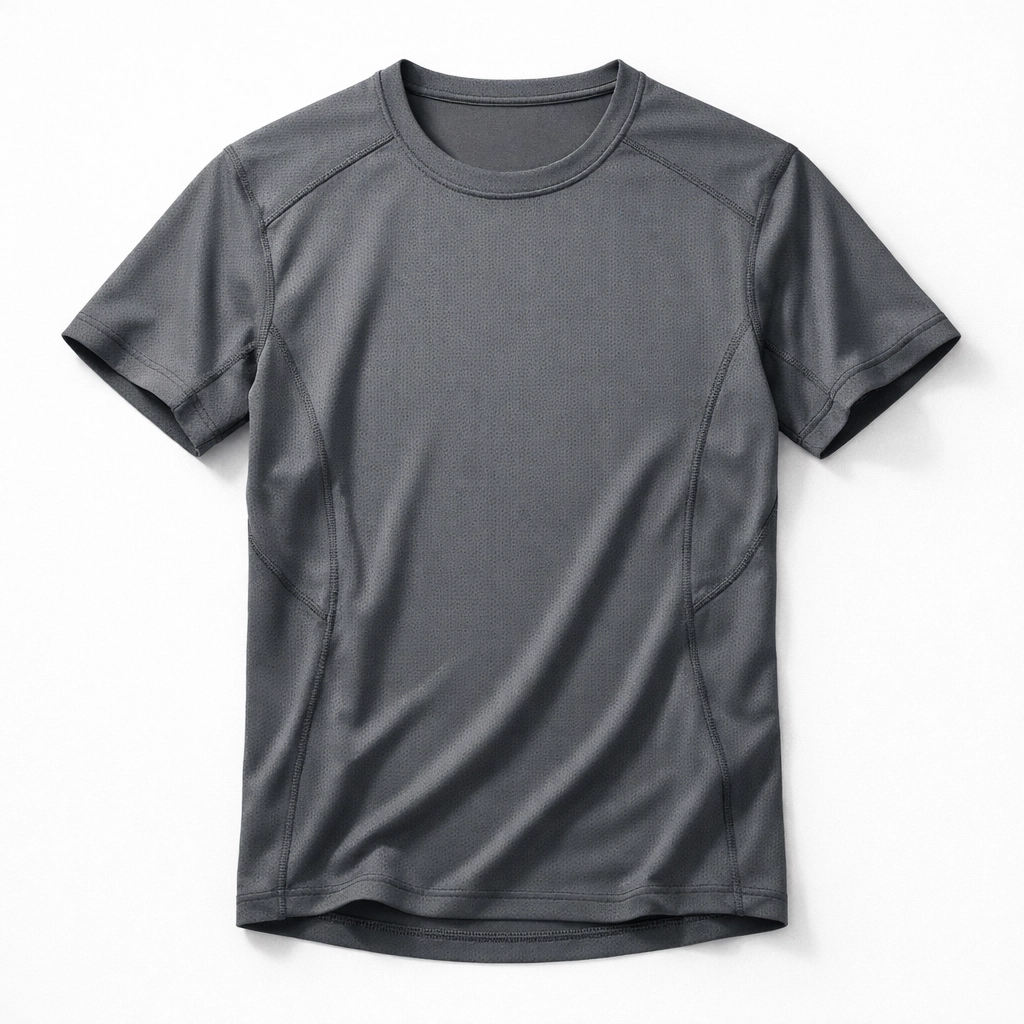
The Problem: Cotton absorbs sweat like a sponge and then holds it against your skin. You end up feeling like you jumped in a pool, the shirt gets heavy, stays cold, and retains that lovely gym smell even after washing. It's basically the worst possible fabric for intense workouts.
The Fix: Invest in moisture-wicking fabrics. Look for polyester and Lycra blends that actually pull sweat away from your body, dry fast, and last way longer than cotton. Yeah, they might cost a bit more upfront, but they'll outlast three cotton shirts easy.
Performance activewear designed specifically for veterans and first responders often uses military-grade moisture-wicking technology. Because if it's good enough for mission-critical situations, it's definitely good enough for your WOD.
Mistake #3: Ignoring Breathability Features
Ever felt like you're suffocating mid-workout? Your shirt might be the culprit.
The Problem: Heavy, dense materials trap heat and moisture. During an intense CrossFit session, you need airflow. Without it, you're basically cooking yourself inside your own shirt. Not ideal when you're trying to PR your clean.
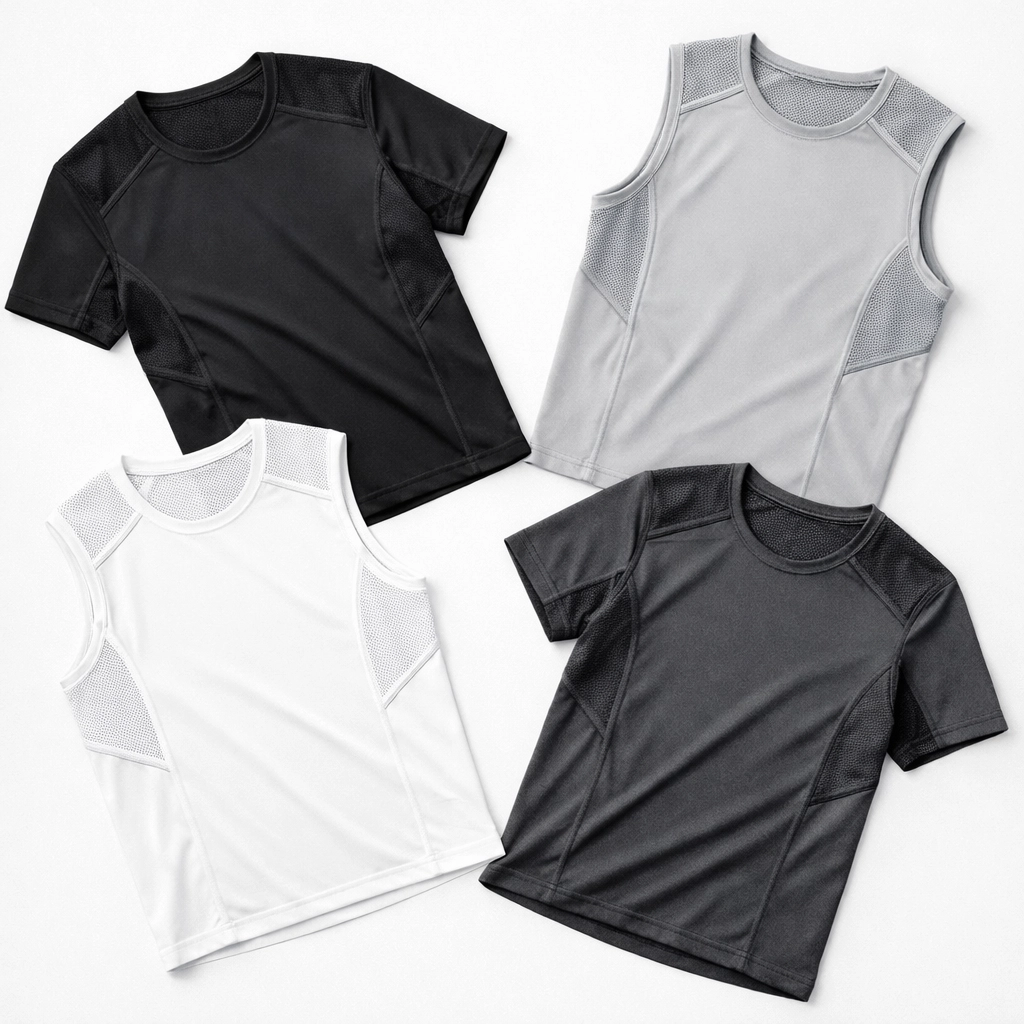
The Fix: Look for shirts with mesh panels or laser-cut vents in high-sweat areas: typically the back and underarms. These aren't just fancy design features; they actually keep you cooler when the workout heats up.
Lightweight fabric weights matter too. You want something substantial enough to last but light enough to breathe. Think tactical approach: the right gear for the mission at hand.
Mistake #4: Prioritizing Looks Over Function
We all want to look good. But a sick graphic isn't going to help you when your shirt restricts your shoulder mobility during thrusters.
The Problem: A trendy-looking shirt that clings to every bead of sweat or limits your range of motion will kill your performance faster than a bad burpee technique.
The Fix: Function first, fashion second. That doesn't mean you have to look like a slob. Plenty of veteran-owned apparel brands make performance activewear that looks good AND performs. You can have both: you just need to prioritize the right way.
When shopping, ask yourself: "Will this shirt help or hinder my workout?" If the answer's anything but "help," keep looking.
Mistake #5: Cheaping Out on Fabric Quality and Construction
That five-dollar shirt from the big box store? You're going to get about five dollars worth of performance out of it.
The Problem: Cheap fabrics pill, tear, and develop holes faster than you can say "AMRAP." Poor stitching means seams that split when you need them most: like in the middle of a PR attempt. Nothing kills momentum like feeling your shirt rip during a deadlift.
The Fix: Look for fabric blends with elastane or spandex for stretch. Check for flatlock seams: they lie flat against your skin and reduce chafing. Before you buy, read actual customer reviews, especially from people who train hard.
Quality construction isn't just about durability. It's about gear that performs when you need it. Same principle as choosing the right boots for a ruck march: buy once, cry once.
Mistake #6: Buying Generic Gym Shirts for CrossFit
CrossFit isn't your average gym workout, so why would you wear average gym clothes?
The Problem: CrossFit demands more from your gear. Olympic lifts, rope climbs, box jumps, burpees: you need shirts that can handle the full spectrum of movement. Generic gym shirts often lack the durability and stretch needed for the dynamic, intense movements CrossFit throws at you.
The Fix: Choose training shirts specifically designed for high-intensity, varied movement. Look for:
- Durable, slightly thicker fabric construction
- Reinforced seams at stress points
- 4-way stretch capability
- Gusseted underarms for mobility
Tactical fitness gear and military fitness apparel often checks these boxes because it's designed for people who actually push their limits. Veteran-owned brands especially get it: they understand the mentality and the physical demands.
Mistake #7: Not Taking Care of Your Gear
You maintain your gear in the field. Why wouldn't you maintain your training gear?
The Problem: Letting sweaty shirts sit in your gym bag for days creates odor buildup and breaks down the fabric. Even good shirts won't last if you treat them like crap.
The Fix: Rinse your shirts as soon as possible after your workout. It takes 30 seconds and dramatically extends the life of your gear. Wash them in cold water, skip the fabric softener (it clogs moisture-wicking fibers), and hang dry when possible.
Think of it as preventive maintenance. A little effort goes a long way in keeping your performance activewear performing.
The Bottom Line
Getting the right CrossFit shirts isn't complicated, but it does matter. Your gear should support your training, not work against it. Skip the cotton, prioritize function, invest in quality, and take care of what you've got.
And here's the real talk: Supporting veteran-owned apparel companies means you're getting gear designed by people who understand what it means to push hard, train smart, and not quit. They get the culture, the mindset, and the performance standards.
Your workout is hard enough. Your shirt shouldn't make it harder.
Now get after it.